

A collaboration between Obscape and Noria.
Cleaning up the world’s waterways is not a challenge any single technology solves on its own. It takes people who understand the problem on the ground, and tools reliable enough to measure it, day in and day out. That is the combination that brought Noria and Obscape together, and it is a partnership we are genuinely proud of.
A shared mission
Noria, a Delft-based technology company, is on a mission to protect the beauty of nature by tackling urban “plastic soup,” the floating litter that clogs city waterways long before it reaches the sea. Their thinking blends smart technology and data with the long-standing intelligence of nature, guided by one principle: tackle waste as close to its source as possible, so it never becomes someone else’s problem downstream.
It is a mission that lines up closely with our own reason for building environmental monitoring equipment, the belief that you cannot manage what you cannot measure. So when Noria needed cameras they could trust in the field, it was a natural fit.
What each partner brings
Noria works to a clear three-step method they call the 3R approach:
- Research: understand where litter comes from and how it moves through the network.
- Remove: take waste out of the water with sustainable collection systems such as the CanalCleaner and the CirCleaner.
- Reduce: act at the source, so less litter enters the water in the first place.
Behind that method sits Noria’s real expertise: GPS trackers that reveal the routes plastic pollution takes, AI-driven analysis that sorts collected waste by type and likely origin, and AI-powered cameras that watch the water and quantify what is floating past. Obscape’s part in the picture is a smaller but foundational one: the cameras that feed that Research step with dependable eyes on the water.
How it works, together
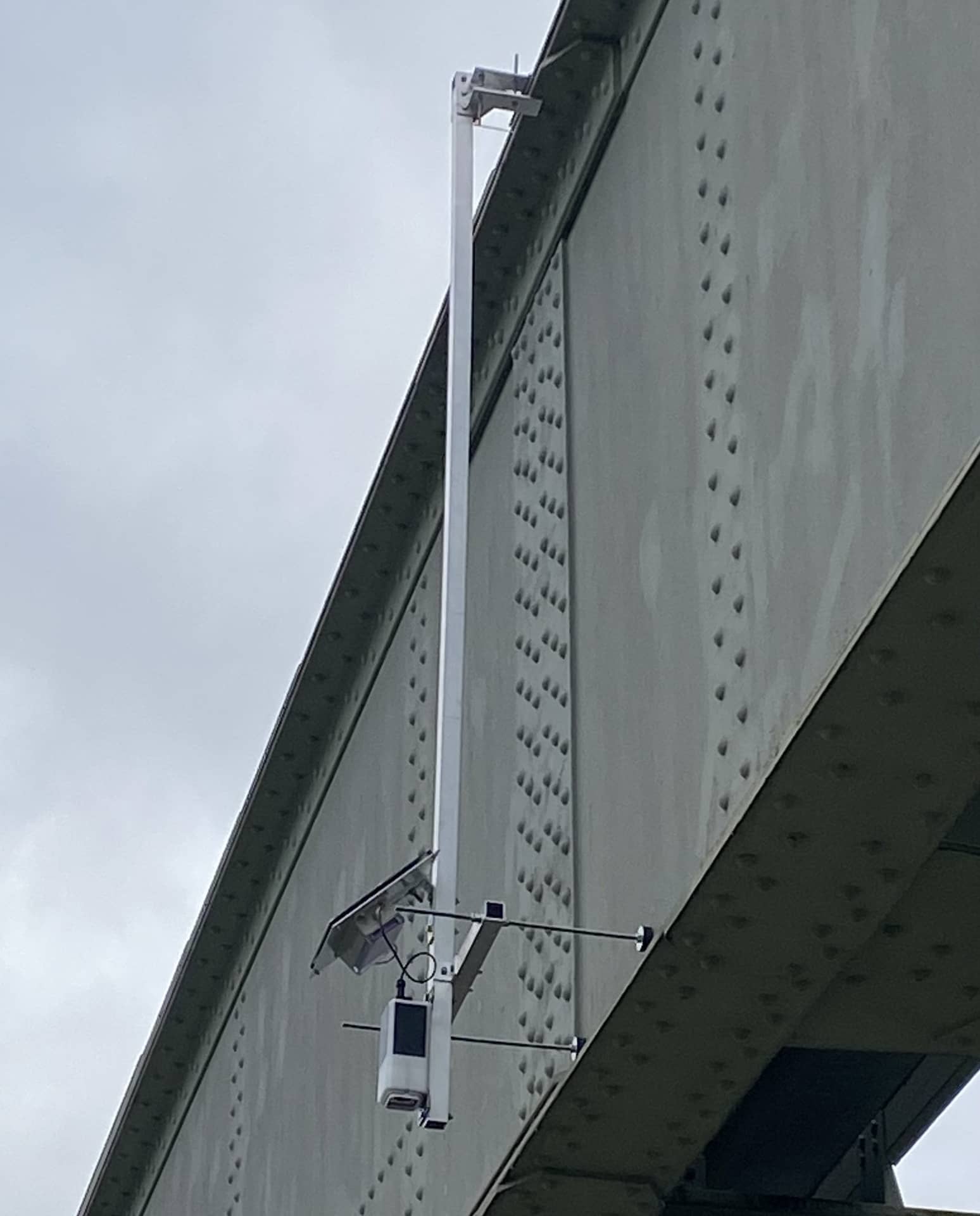
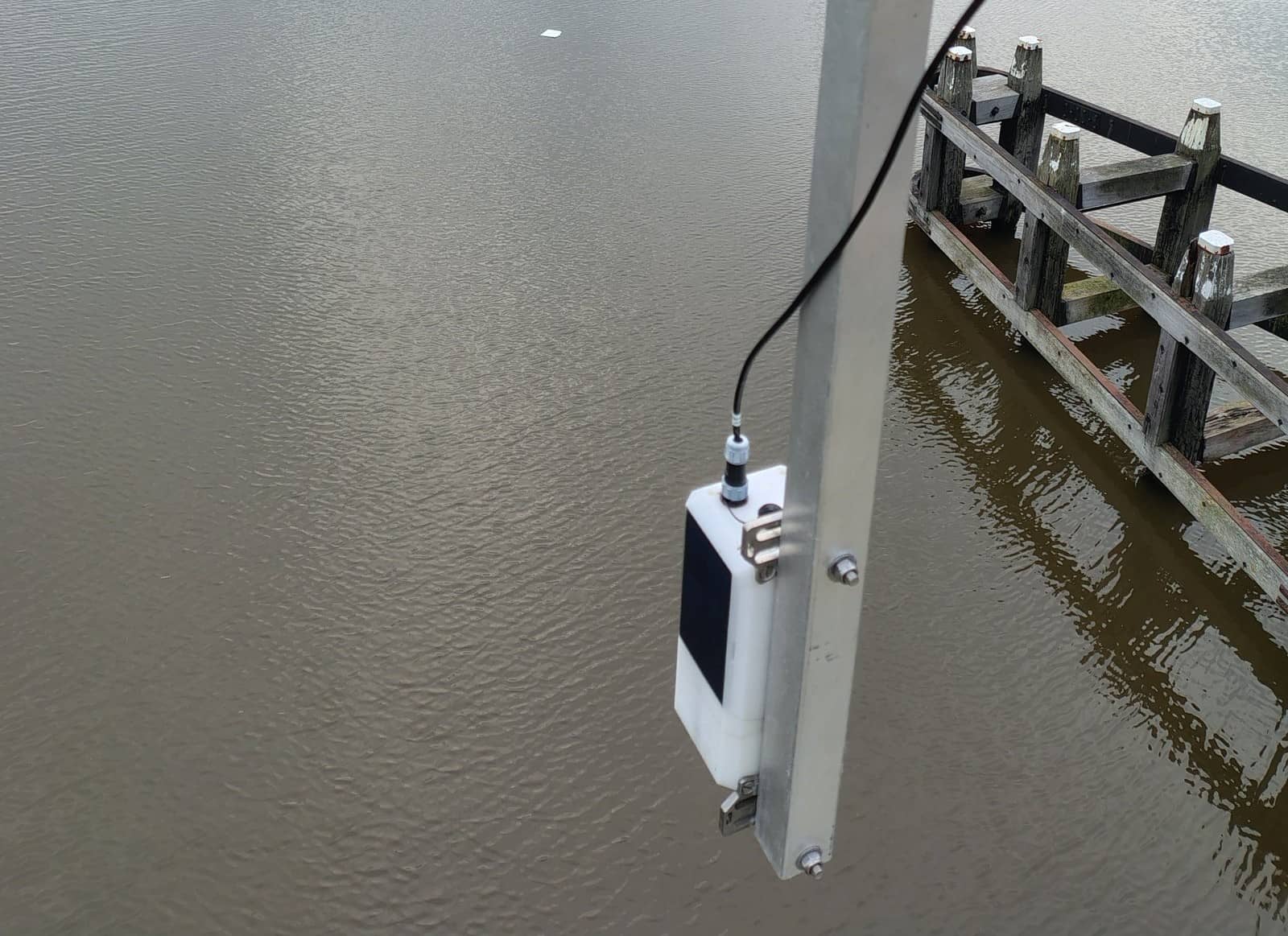
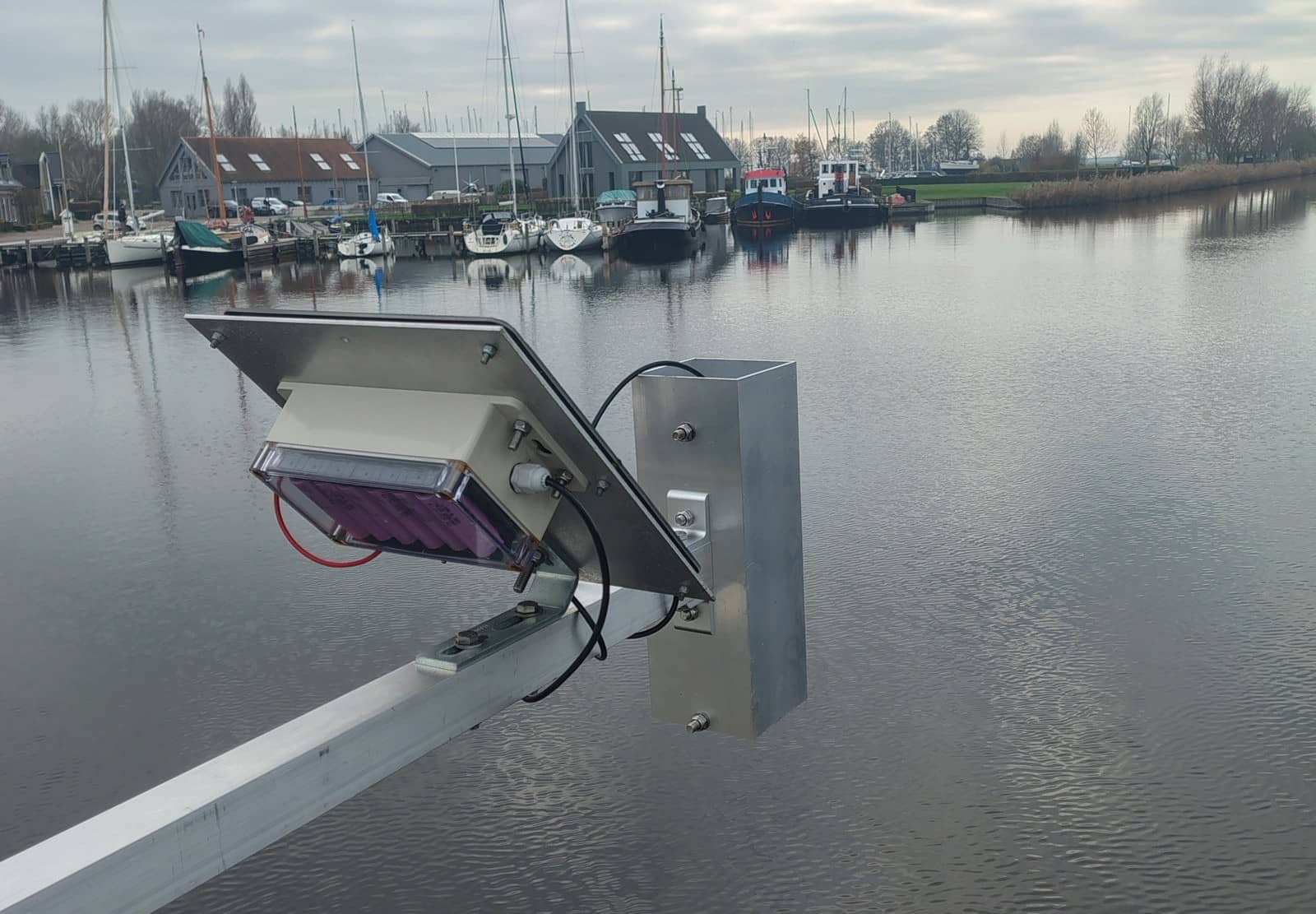
For their bridge-mounted monitoring, Noria uses Obscape HQ cameras, positioned to look down at the water surface below.
On their own, the cameras do one job well: they capture the water, day after day, in every kind of weather. The intelligence is Noria’s. Every image runs through their AI vision model, which detects individual litter items in the frame, and from those detections Noria calculates litter fluxes, a measure of how much waste passes a given location, and when.
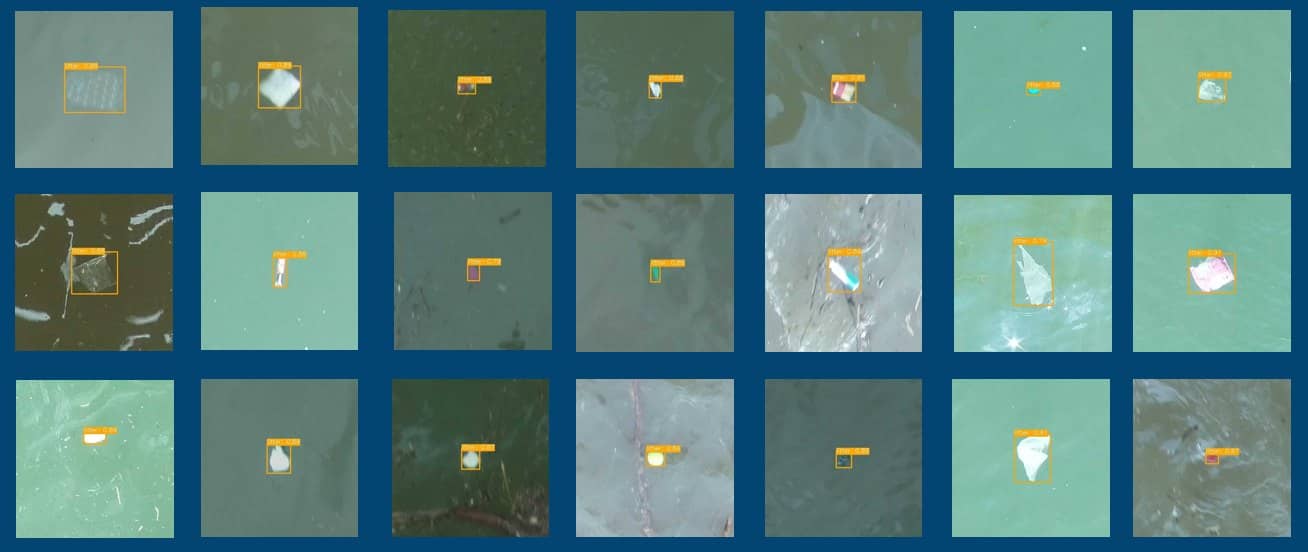
Put the two together and a camera on a bridge becomes something far more useful than a photo archive. It becomes a continuous, quantitative record of floating pollution at that spot, exactly the baseline Noria’s customers need to know whether a problem is getting better or worse, to target clean-ups where they count, and to prove that an intervention is actually working.
Why the partnership works
This is the kind of application our HQ cameras were designed for: bridge-mounted, unattended, and left out in whatever conditions come their way. Reliable images in, reliable data out, so Noria’s models have something dependable to work with and their team can act with confidence on what they see.
For us, it is a reminder of why we build the way we do. The most rewarding thing a camera can do is not simply to observe, but to become part of real environmental action. Working alongside the Noria team, that is exactly what it does.
Learn more about Noria’s work at noria.earth.